Opportunity, Agency, and Health
Where Structure Meets Choice
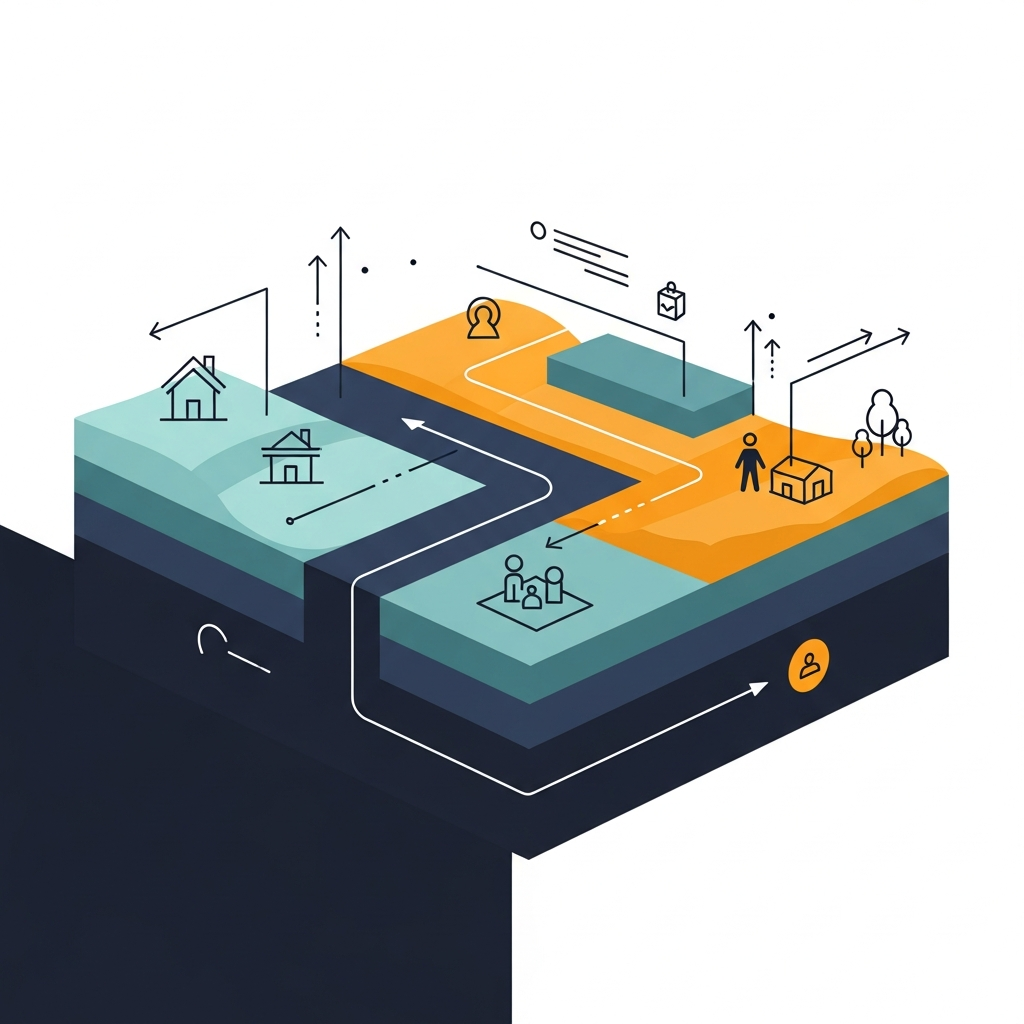
When we talk about health, it is easy to frame it as either personal responsibility or social structure. The Social Determinants of Health remind us that neither explanation is complete on its own. To me, these determinants are the environmental and social conditions that shape the starting line of a person’s life—things like education quality, neighborhood safety, job access, transportation, and healthcare availability. These factors do not dictate outcomes, but they influence the range of challenges and advantages someone must navigate.
The Capabilities Approach adds another layer. Rather than focusing only on resources, it asks what people are actually able to do and be. Two individuals might have access to similar services, but their ability to convert those services into meaningful progress can differ depending on mobility, support systems, knowledge, or constraints. Capabilities are about real, usable opportunity—not just theoretical access.
Where I see these two ideas connect is in how structure interacts with choice. Social determinants shape the environment, but individuals still act within that environment. People are not passive recipients of circumstance. Agency, effort, discipline, and decision-making matter. At the same time, those decisions are made within real constraints that can either expand or restrict available options.
The diagram shows that flow: social conditions influence capabilities like time, mobility, and safety. Those capabilities affect whether opportunities can realistically be pursued. Barriers can slow someone down, but they don’t erase agency. If we wanted to measure this, we might look at income, education, housing stability, access to healthcare, and environmental risks. But we’d also want to look at long-term health outcomes, independence, and participation in community life. It’s not just about what exists—it’s about what someone can actually do with it.
The biggest takeaway for me is this: circumstances matter, but they’re not destiny. A fair society should expand opportunity, but individuals still carry responsibility for how they respond to what’s in front of them. Real well-being lives somewhere in that tension